
Business Intelligence is no longer just about dashboards and reports. In 2026, BI professionals are expected to think like product owners, data strategists, and business partners—all at once.
If you’re working with tools like Power BI, SQL, Snowflake, Dataverse, or Power Apps (or planning to), this guide will help you understand what actually matters going forward.
1. BI Has Shifted from Reporting to Decision Enablement
Traditional BI focused on answering “what happened?”
Modern BI focuses on “what should we do next?”
Organizations now expect BI teams to:
- Explain why metrics moved
- Quantify business impact
- Enable self-service decisions for non-technical users
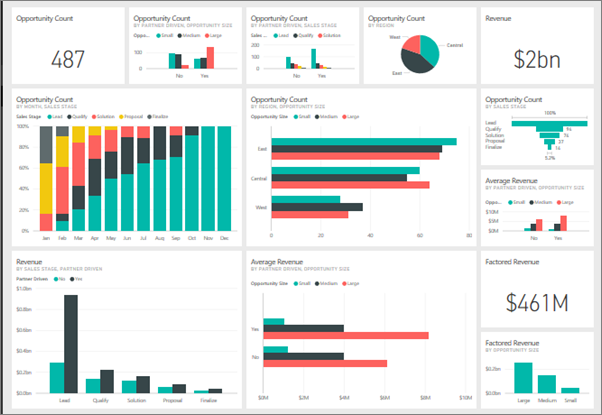
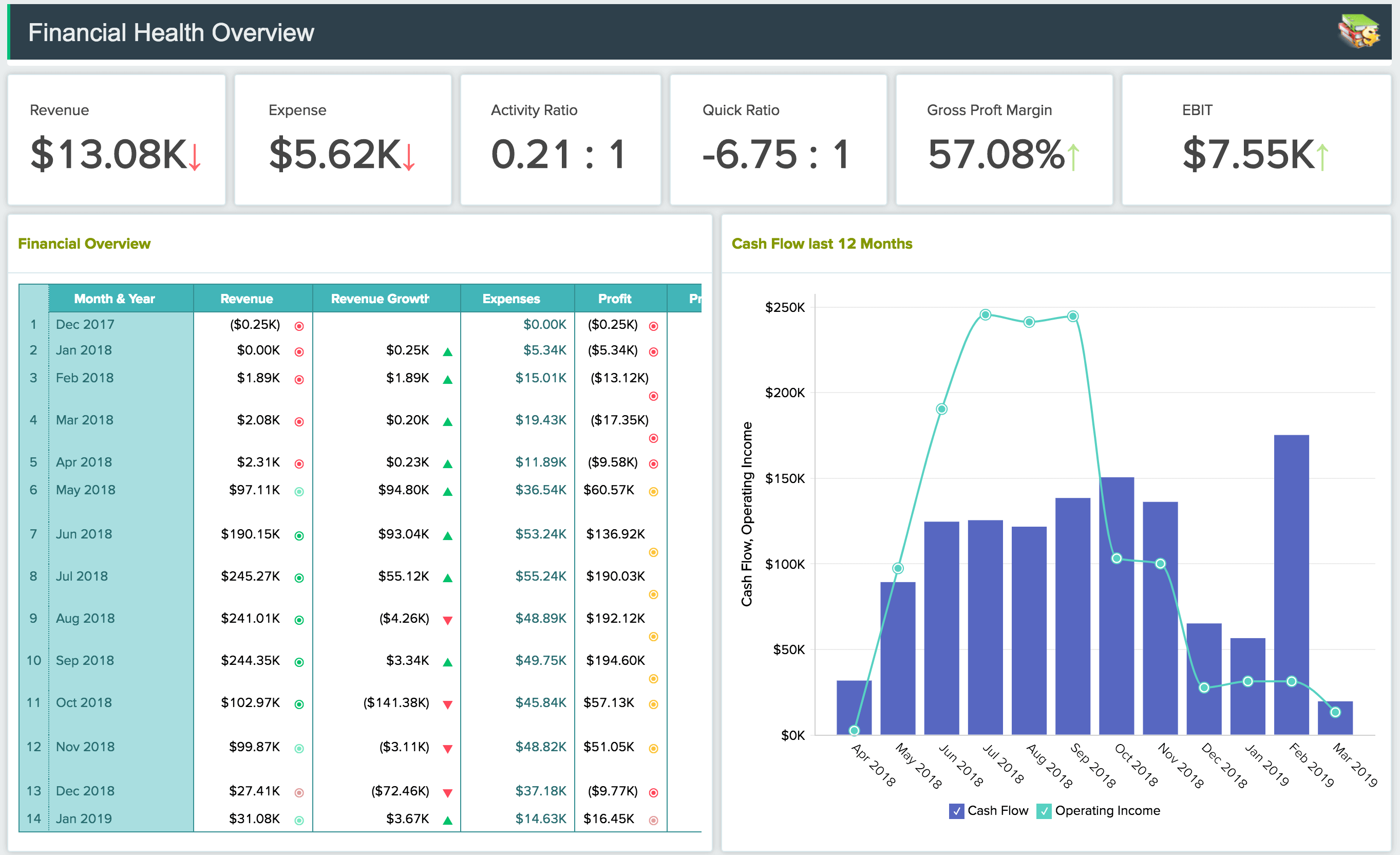
Dashboards that only show KPIs without context are quickly becoming obsolete.

Key takeaway:
If your dashboard doesn’t drive a decision, it’s just decoration.
2. Core Technical Skills Every BI Professional Must Master
Tools will change, but fundamentals won’t. High-performing BI professionals consistently show strength in the following areas:
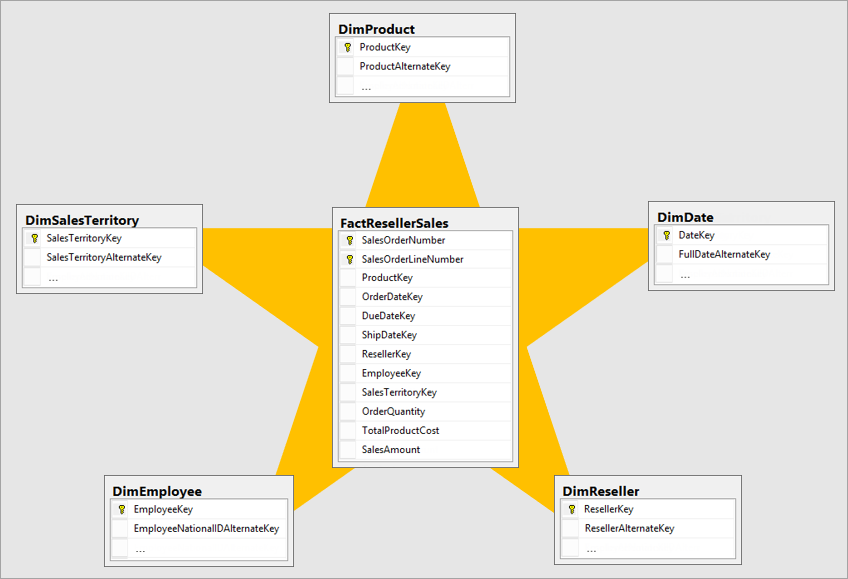
🔹 Data Modeling (Non-Negotiable)
- Star schema vs snowflake schema
- Fact vs dimension tables
- Handling slowly changing dimensions (SCDs)
- Snapshot vs transactional models
Bad models create slow dashboards, confused users, and mistrust in data.
🔹 SQL Beyond Basics
You’re expected to:
- Write optimized joins and CTEs
- Understand window functions
- Debug performance issues
- Translate business logic into queries
🔹 Semantic Layer Thinking
Whether it’s Power BI, Looker, or Tableau:
- Measures should be reusable
- Business logic must be centralized
- Time intelligence should be consistent


3. Power BI Is No Longer Just a Visualization Tool
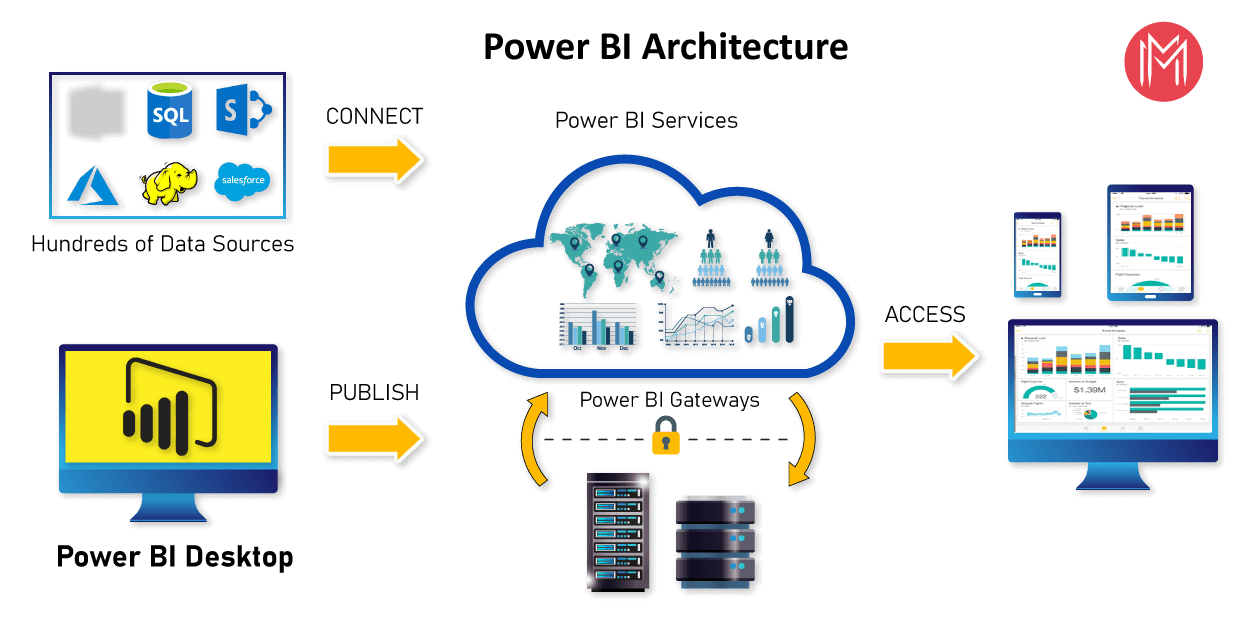
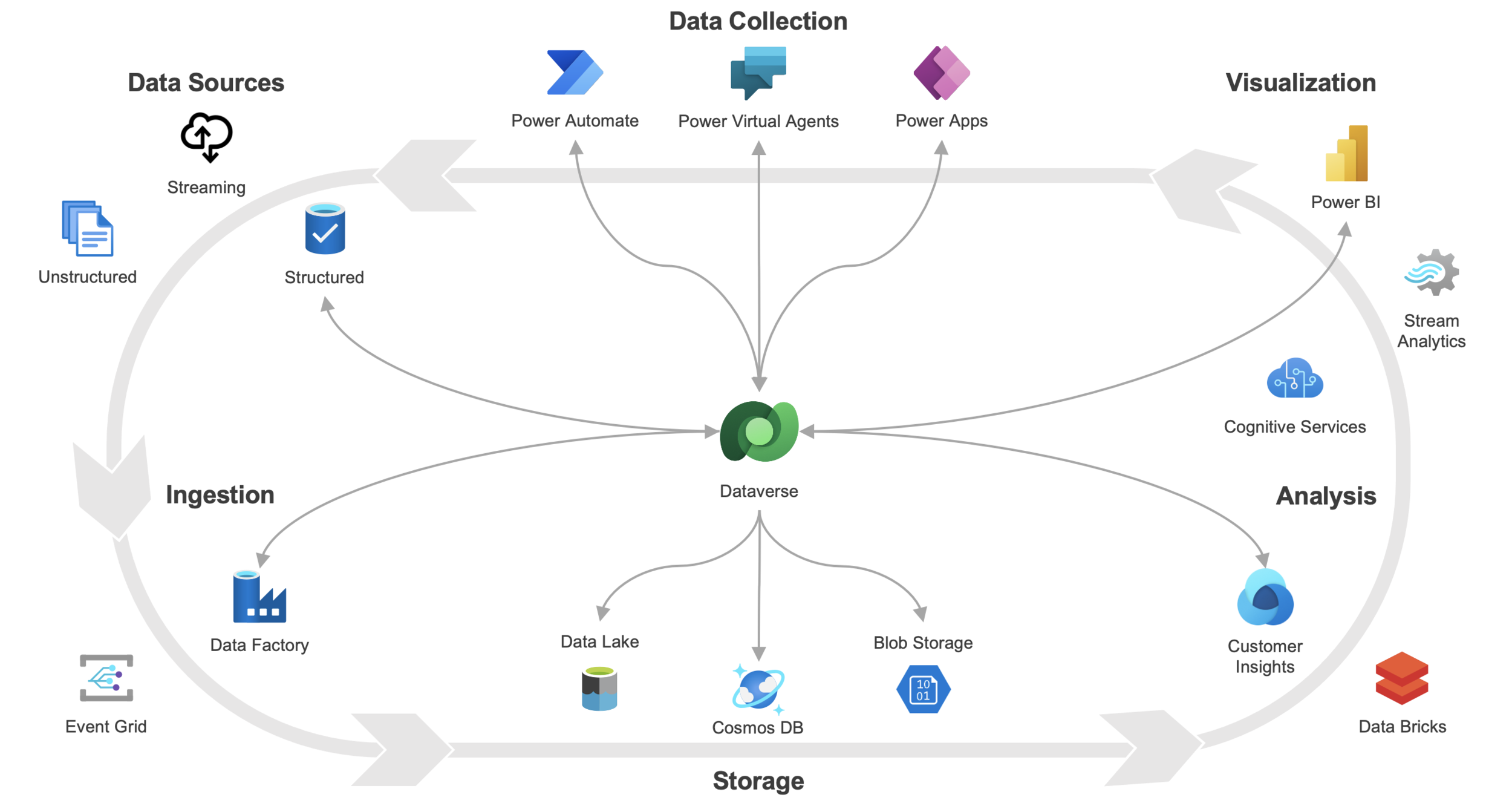
Power BI in 2026 sits at the center of the Microsoft data ecosystem:
- Power Apps for data capture
- Dataverse for structured storage
- Snowflake / Azure SQL for scale
- Fabric for unified analytics
What separates average developers from strong ones is architecture thinking:
- When to use Import vs DirectQuery
- When to use Dataverse vs Warehouse
- How to manage row-level security
- How to design for scale and refresh performance

4. Business Context Is Your Real Differentiator
Many BI professionals fail not because of weak technical skills—but because they don’t understand the business narrative.
Strong BI professionals:
- Ask why before building visuals
- Understand revenue, cost, margin, and growth drivers
- Speak in terms of impact, not features
Instead of saying:
❌ “This report shows YTD growth”
Say:
✅ “Growth is driven by volume recovery in APAC, while price pressure remains in EU.”
That shift changes how stakeholders perceive you.
5. The Rise of Configuration-Driven & Scalable BI
Hard-coded logic doesn’t scale.
Modern BI solutions increasingly rely on:
- Configuration tables
- Rule-driven calculations
- Metadata-based filtering
- Reusable components
This approach:
- Reduces rework
- Improves governance
- Makes BI products future-proof
If you’re working on enterprise dashboards, this mindset is essential.
6. Mindset: From Dashboard Builder to BI Product Owner
To grow your career, you must transition from:
“Tell me what to build”
to
“Here’s what the business needs and why.”
This means:
- Proactively suggesting metrics
- Challenging unclear requirements
- Thinking in terms of adoption and usability
- Designing for executives, not just analysts

Final Thoughts
In 2026, BI success is defined by clarity, trust, and impact.
Tools like Power BI, SQL, and Snowflake are important—but your ability to:
- Model data correctly
- Explain insights clearly
- Align with business goals
…is what will truly set you apart.
If you treat BI as a product, not just a report, your value—and career—will compound.
